As an Amazon Associate I earn from qualifying purchases.

Best Mattresses for Back Pain: How to Choose the Right Bed for Better Sleep and Spinal Support
Learn why mattress choice matters, how different beds affect spinal alignment, and which mattresses are best for different types of back pain sufferers.
1/23/202610 min read


How to Find the Right Mattress for Your Sleep Style & Your Back Pain
When it comes to back pain, sleep is not a luxury—it’s a critical part of recovery. Quality sleep gives your muscles time to relax, your nervous system time to downshift, and your spine time to unload after a full day of stress. But here’s what many people miss: the “best mattress” doesn’t exist—only the right mattress for your back pain does. Different conditions need different support, pressure relief, and firmness levels. In this article, we break down the best mattresses from top brands and explain who each one is actually best for, so you’re not guessing. If you want better sleep and a happier back, keep reading.
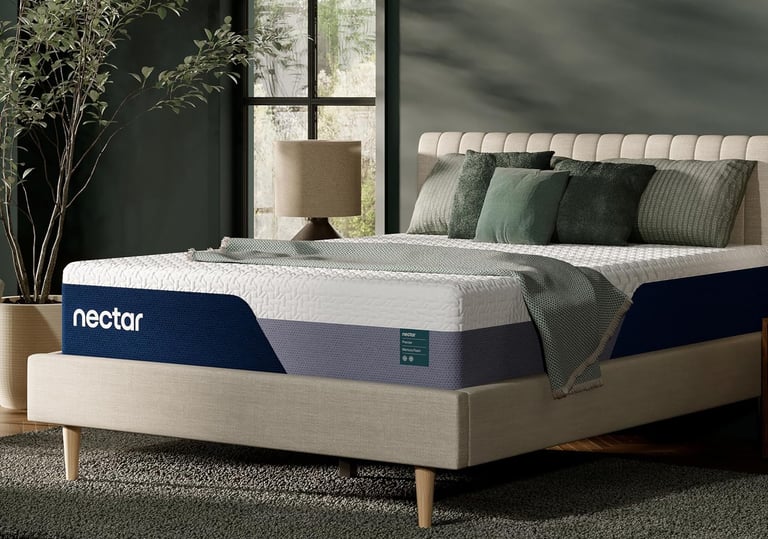
Nectar — Nectar Premier Memory Foam (13”)
Typical queen price: Amazon lists $949 for the Queen on the product page I checked
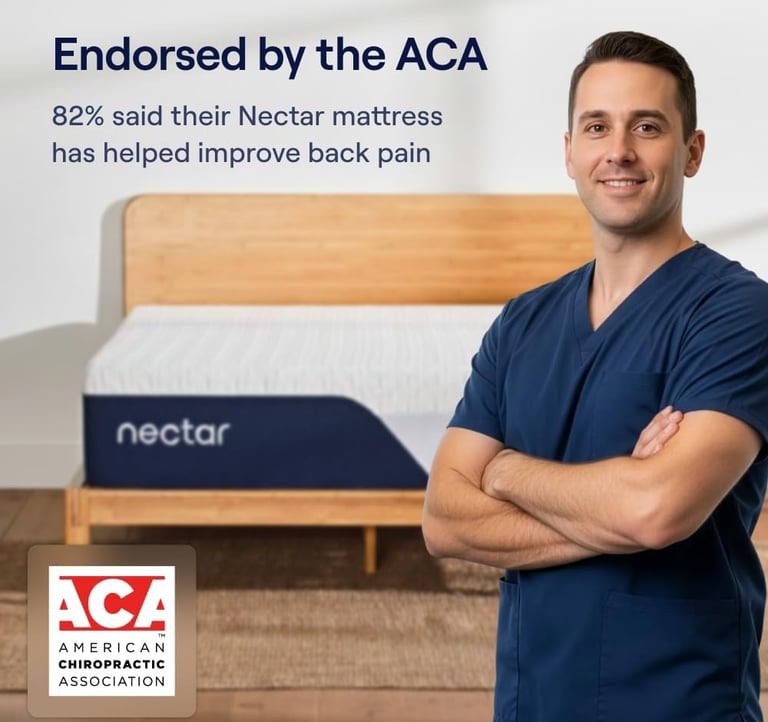
Why this is the brand’s best for back pain: Nectar positions the Premier as its “sweet spot” foam bed: more pressure-relieving foam than the Classic, plus a balance of cradle + pushback that tends to work well for sore low backs—especially when pain is aggravated by pressure points rather than instability. Nectar also claims the Premier is endorsed by the American Chiropractic Association (important context: this is a marketing/credential signal, not the same thing as “clinically proven,” but it does indicate the brand has pursued third-party endorsement).
Back-pain-relevant performance notes (from reviews/testing): Data-driven testing from NapLab highlights excellent pressure relief and describes a thick comfort system (memory foam over polyfoam) that reduces “hot spots” while still feeling supportive for many sleepers. Tom’s Guide’s back-pain coverage has also specifically called out Nectar Premier Memory Foam as a good “balance” pick for support + contouring (again: editorial perspective, not medical advice).
Pros (for back pain shoppers):
Strong pressure relief can calm pain flare-ups tied to hips/shoulders driving spinal misalignment.
Great policies for risk reduction: Nectar markets a long 365-night trial and “Forever Warranty” (lifetime-style warranty language).
Foam feel is often motion-isolating, a plus for couples (less “jostle” that can wake a sensitive back).
Cons / watch-outs:
If your back pain is driven by lack of support (especially heavier body types or dedicated stomach sleeping), a pure foam bed can feel too “settling,” and your hips may sink. Tom’s Guide notes similar limitations for heavier sleepers on some Nectar builds.
Foam beds can run warmer than hybrids; Nectar adds cooling fibers, but if you’re a hot sleeper you may prefer a hybrid.
Customer profile most likely to buy it:
A value-conscious shopper who wants a “safe choice” memory-foam feel—often a side sleeper or combo sleeper with intermittent low-back soreness—who also cares about a long trial/warranty and doesn’t want to gamble on a luxury price tag. People who like a medium to medium-firm contour generally land here.
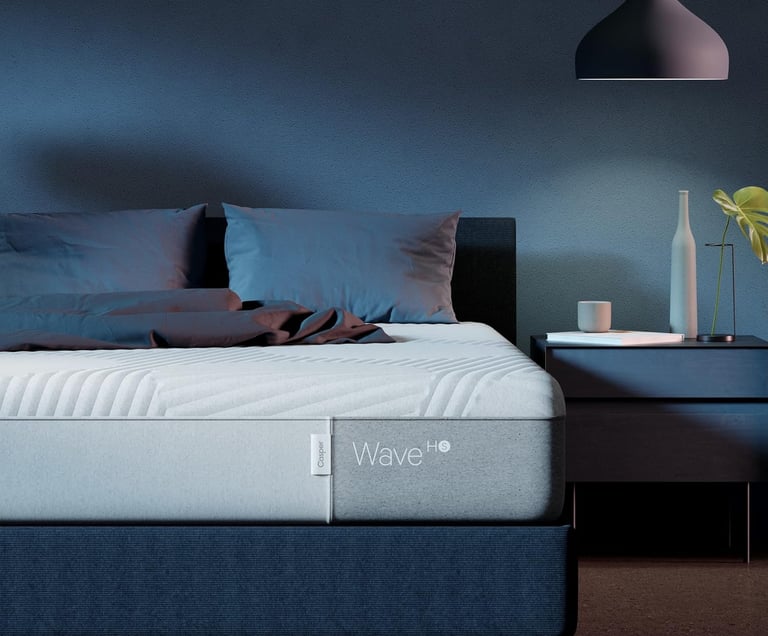
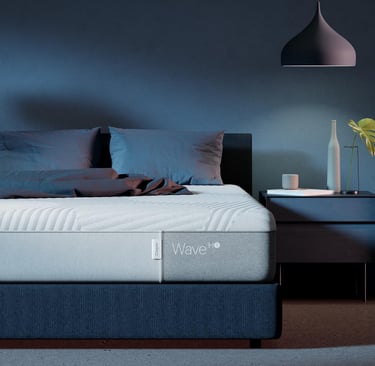
Casper — Wave Hybrid Snow
Typical queen price: Amazon lists the Queen at $3,999 (pricing varies by promo/season).
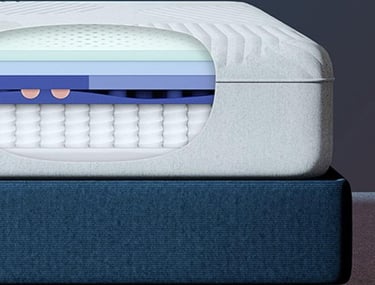
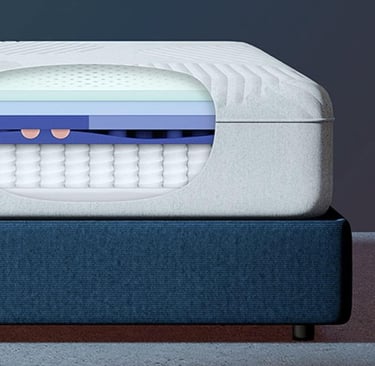
Why this is the brand’s best for back pain: If you’re shopping Casper specifically for back pain, the Wave Hybrid Snow is their “engineered support” flagship—built around zoned ergonomic support concepts (firmer support in key areas like hips/waist/lower back), which is exactly what many back-pain shoppers are trying to solve: keep the spine neutrally aligned while still reducing pressure. Sleepopolis explicitly recommends it for back pain for back and combination sleepers.
Pros (for back pain shoppers):
Targeted zoning: Reviews emphasize “ergonomic zones” meant to support alignment (useful when pain is worsened by hammocking).
Hybrid lift + contour: Coils add buoyancy so you don’t feel trapped in foam—often helpful for backs that get cranky when the midsection sinks.
Cooling focus: “Snow” branding is Casper’s cooling-forward line, which can matter because overheating can cause restlessness (more tossing/turning = more irritated back). Casper’s Snow page highlights cooling features and ergonomic support.
Cons / watch-outs:
Price is premium compared with most bed-in-a-box brands. Data-driven reviews also call out that performance may not scale linearly with cost for everyone—meaning you pay a lot for the design features, and some sleepers won’t experience a proportionate benefit.
If you prefer a very traditional innerspring feel or ultra-firm “board-like” support, the Wave may still feel too cushioned—especially if you sink into the comfort layers before the zoning “kicks in.”
Like many premium hybrids, it can be heavy and harder to maneuver (relevant if you’re buying due to back pain and can’t lift easily).
Customer profile most likely to buy it:
A buyer who has recurring back pain, has tried cheaper foam beds, and is now willing to pay for more engineered support—often a back/combination sleeper who values cooling and wants a bed that feels “designed” rather than generic. Also common: couples where one partner has pain and the other needs motion control + durability, and they’re comfortable paying a flagship price.
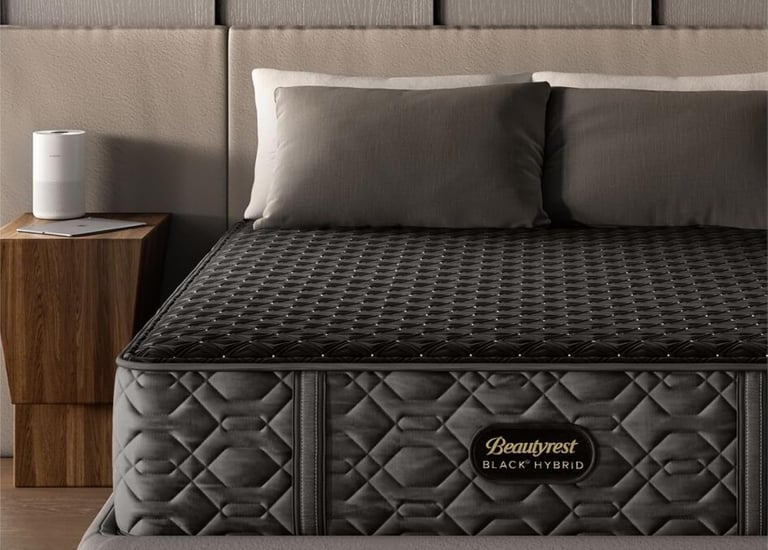
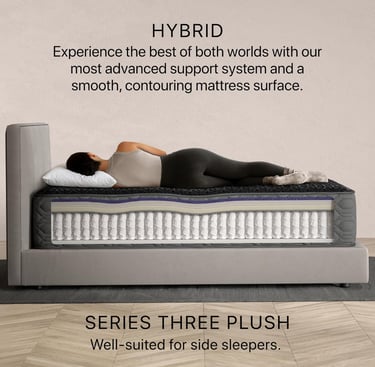
Beautyrest — Beautyrest Black Hybrid (Series Three)
Typical queen price: Amazon lists Series Three starting around $2,949 (Beautyrest’s Series structure ranges from Series One to Four with rising prices/features).
Why this is the brand’s best for back pain: Within Beautyrest’s lineup, the Black Hybrid is the “luxury support” play: pocketed coils + advanced foams + cooling features. For back pain, the core advantage is deep, stable support from a robust coil unit paired with contouring comfort layers—often a better match than basic foam if your pain is triggered by sagging or poor alignment.
Beautyrest explains that Black Hybrid models use Triple-Stranded Pocketed Coil technology for individualized support/motion separation, and Series upgrades add additional comfort/support elements (Series Four even adds microcoils). NapLab’s breakdown clarifies what you’re paying for by series, which helps you choose the “best” tier for pain relief vs. budget.
Pros (for back pain shoppers):
Support depth and spinal stability: robust pocketed coils tend to resist long-term body impressions better than many all-foam builds, which matters if your back pain is sensitive to even small sagging.
Pressure relief without collapse: higher series generally add more sophisticated comfort layering so you can get cushioning while still keeping your lumbar supported.
Cooling and “luxury finish”: Beautyrest highlights cooling surfaces and premium foams; many buyers with pain also prioritize temperature because disrupted sleep worsens pain perception.
Cons / watch-outs:
Cost climbs fast as you move up the series ladder; Series Four is significantly more expensive than Series One, and not everyone needs the top tier for back pain relief.
Comfort preference is crucial: hybrids can come in plush/medium/firm, and the wrong firmness can increase pain (too soft = hip sink; too firm = pressure points).
Availability is often tied to retailers; returns/exchanges can vary depending on where you buy.
Customer profile most likely to buy it:
A shopper who wants a traditional, premium “showroom” mattress with a strong brand name, often upgrading from an older innerspring and willing to pay more for perceived durability and structured support. This buyer frequently prefers hybrid bounce over foam sink and may have chronic low-back sensitivity that improves on a stable coil base. They’re also more likely to value in-store testing and white-glove delivery options through retail partners.
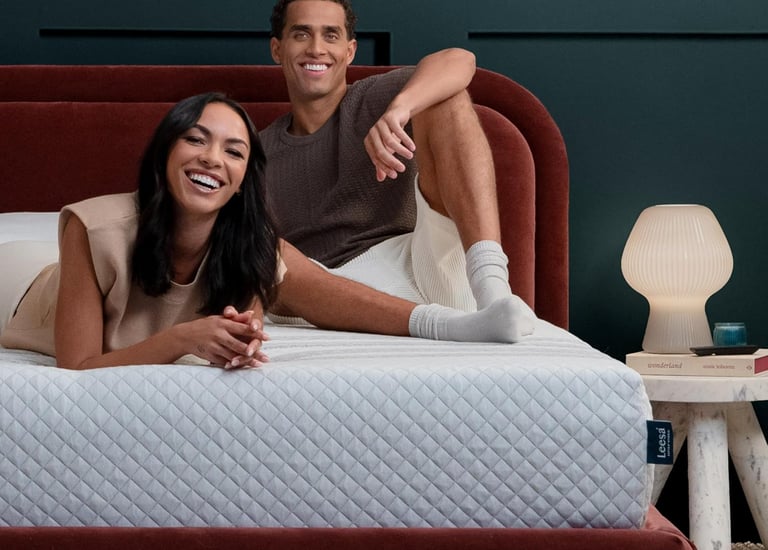
Leesa — Sapira Hybrid
Typical queen price: Amazon shows a discounted Queen at $1,759 on the product page I reviewed (pricing/promos vary).
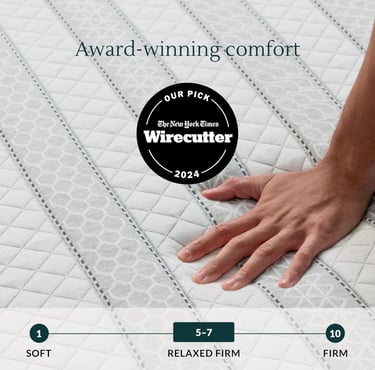
Why this is the brand’s best for back pain: Leesa’s Sapira Hybrid is the “balanced hybrid” in their lineup—aimed at broad comfort compatibility: enough contour for pressure relief, enough coil support to keep alignment. For back pain, that middle path is often the winner because it reduces the two common failure modes: (1) too-soft foam beds that let the hips drop, and (2) too-firm beds that create pressure points and cause guarding/tension.
Independent testing from NapLab rates it very highly overall and characterizes it as medium-firm, and “best for all sleeping positions / all body weights” in their framework—exactly what you want when selecting a single “best pick” for a wide back-pain audience.
Pros (for back pain shoppers):
High-performing pressure relief + support mix (good when pain is part alignment, part pressure sensitivity).
Bounce/ease of movement can help stiff backs—less “stuck” feeling makes it easier to roll without twisting under load. Leesa also markets it for sleepers who want freedom of movement with minimal motion transfer.
Buyer-friendly policies: Leesa states a 120-night trial, and their warranty page indicates a limited lifetime warranty for mattresses purchased after Feb 1, 2025.
Cons / watch-outs:
If you need true “extra firm” lumbar bracing, Sapira may feel too moderate—great for many, not ideal for everyone with severe structural support needs.
Price sits in the mid-to-premium tier; you’re paying for the hybrid build and performance.
As with most hybrids, edge support and feel can vary by body weight; if you sit on the edge a lot (mobility issues), test that behavior carefully.
Customer profile most likely to buy it:
A shopper who wants one mattress that works for almost everyone in the household—couples with different sleep styles, combo sleepers, and people who want a “hotel-like” hybrid feel rather than deep memory-foam sink. This buyer also tends to care about policies (trial/warranty) and is willing to pay mid-tier pricing for a safe, well-reviewed hybrid that’s less polarizing than ultra-soft or ultra-firm builds.
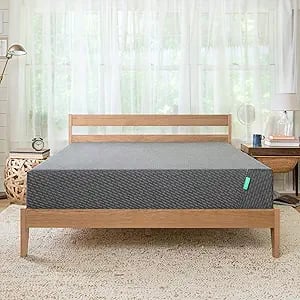
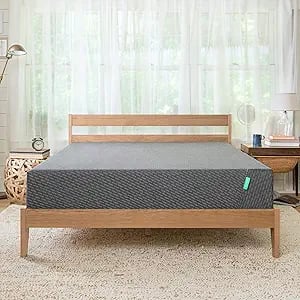
Tuft & Needle — Mint
Typical queen price: Amazon lists the Mint at $1036 on the Mint product page I checked and is listed as the Overall Pick.
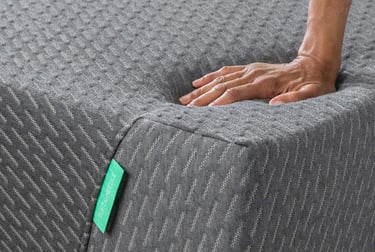
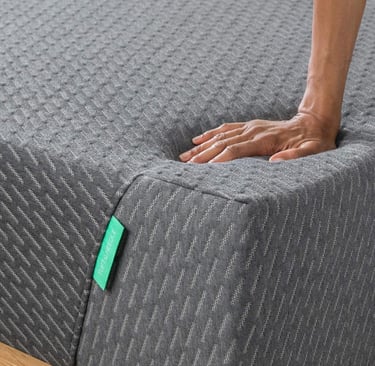
Why this is the brand’s best for back pain: In T&N’s lineup, Mint is the “step-up foam” option—more pressure relief and refinement than the Original, while keeping a responsive feel. For back pain shoppers who don’t want coils (or who just want a simpler value buy), Mint often makes sense because it aims to keep you more “on top” of the bed than traditional slow-sink memory foam while still cushioning sensitive areas.
Pros (for back pain shoppers):
Value-forward pricing for a nicer-than-entry foam bed (important because many back-pain shoppers end up cycling through mattresses).
Responsive foam feel: T&N markets foam that firms as you sink deeper (a way of describing progressive support), which can help maintain alignment vs. very plush foams.
Reviews on the product page heavily emphasize “wake up with no back pain” style outcomes (anecdotal, but useful as a directional signal of why customers choose it).
Cons / watch-outs:
Pure foam still isn’t ideal for everyone: heavier back/stomach sleepers may want the extra lift of coils to prevent hip sink over time.
Foam temperature can be hit-or-miss. Some long-term commenters (outside official marketing) report heat differences across generations/models—so if you sleep hot, pay attention to cooling claims and bedding choices.
Edge support typically trails hybrids, which matters if you sit on the side often.
Customer profile most likely to buy it:
A practical shopper who wants maximum “better sleep” per dollar and prefers a slightly buoyant foam feel (less of the marshmallow memory-foam hug). Often: younger couples, first “good mattress” buyers, and people with mild-to-moderate back pain who primarily need pressure relief + decent alignment rather than intensive zoned coil engineering. Also a strong fit for guest rooms where you still want a back-friendly surface without paying luxury hybrid prices.
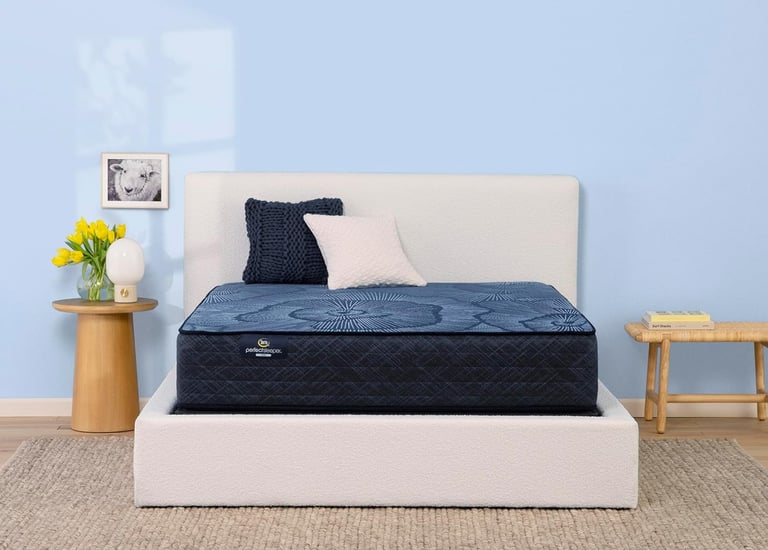
Serta — Perfect Sleeper Hybrid (3-zoned coil design)
Typical queen price: Amazon lists the Perfect Sleeper Hybrid at $718 but there are multiple firmness options.
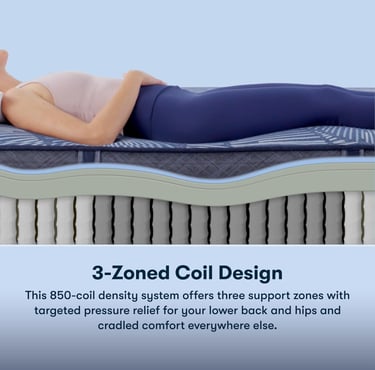
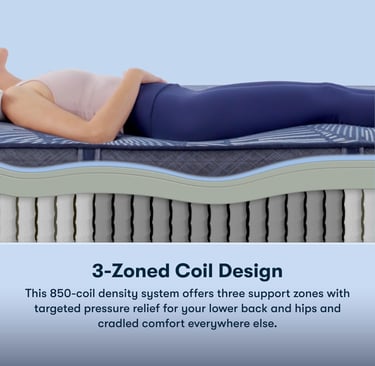
Why this is the brand’s best for back pain: Serta’s Perfect Sleeper Hybrid is a back-pain-friendly “mainstream hybrid” because it explicitly uses a zoned coil design intended to provide support where you need it while allowing more give at shoulders/hips. That zoning concept is one of the most consistently useful design ideas for back pain: keep lumbar supported, avoid pressure spikes elsewhere.
Serta’s own product language calls out a 3-zoned coil design and gel memory foam for contouring. Independent testing from NapLab frames it as a solid, budget-conscious option at around $718 for a queen and emphasizes that it “performs much like a hybrid mattress” (i.e., you’re getting a more traditional coil feel and support profile at a reasonable price).
Pros (for back pain shoppers):
Zoned support + coils: generally better for alignment than basic all-foam at this price point, especially for back sleepers.
Multiple firmness choices (firm/medium/plush variants exist in the line), letting you match the bed to your pain pattern.
Brand availability is wide (easier to try in stores via partners), which is helpful when your back needs you to test before committing.
Cons / watch-outs:
“Perfect Sleeper” is a broad family; some models are meaningfully different. If you’re buying specifically for back pain, verify you’re getting the zoned coil build and your intended firmness.
As an affordable hybrid, long-term durability can vary by model and user weight; heavier sleepers may want to prioritize stronger builds.
Cooling is present (Cool Twist® gel foam), but if you’re very heat-sensitive, you may prefer higher-end cooling systems.
Customer profile most likely to buy it:
A back-pain shopper who wants traditional support at a sane price—often a back sleeper or combo sleeper who feels best with coils underneath, but doesn’t want to pay luxury-hybrid pricing. Also common: families outfitting multiple rooms, or buyers replacing an old innerspring who want something familiar but a bit more pressure-relieving.
Back pain doesn’t stop when you lie down—in many cases, it’s shaped by what you sleep on night after night. The right mattress can reduce pressure, support spinal alignment, and help your body recover instead of brace through the night. The wrong one can quietly sabotage your progress, no matter how many stretches or treatments you try. Choosing intentionally, based on your body and your specific pain pattern, is one of the most overlooked steps in healing. If you want continued guidance, shared experiences, and trusted reviews, join the Bounce Back community and take an active role in your recovery—starting with how you sleep.
Get in touch
For more helpful product reviews and tips join the community!