As an Amazon Associate I earn from qualifying purchases.

The 5 Best Products for Low Back Pain Relief That Doctors and Therapists Actually Recommend
A practical, expert-reviewed guide to the top physical products for low back pain relief—trusted by doctors, physical therapists, and back-care specialists—to help you move, sit, and live with less discomfort.
1/28/20268 min read
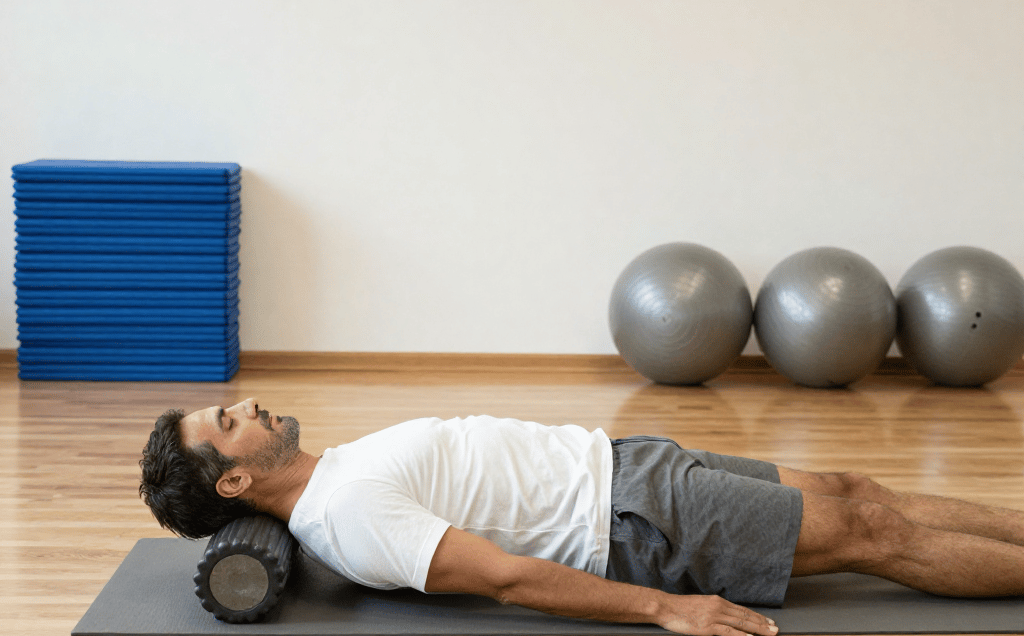
Five Best Products for Low Back Pain Relief (No Pills Required)
Let’s face it, back pain is a bummer, and if you’re like me, you know from experience that your low back gets worn down by a thousand tiny things: long sits, stress, weakened glutes and core, and sleep positions that turn you into a pretzel. Here’s what I wish I knew earlier: the most effective back-pain tool is often the one that changes your body’s input all day long—not the thing you use for five minutes and forget. So which products actually move the needle… and which ones just look impressive in your cart?
This listicle rounds up five top-selling, highly reviewed physical products that show up again and again in recommendations from clinicians and back-care specialist, plus what the research says about why they can help. So say goodbye to all of those “quick fix” gizmos and gadgets and ask yourself: If you could only start with one purchase, which option gives the biggest “back pain relief per dollar” based on your pain pattern and daily habits?
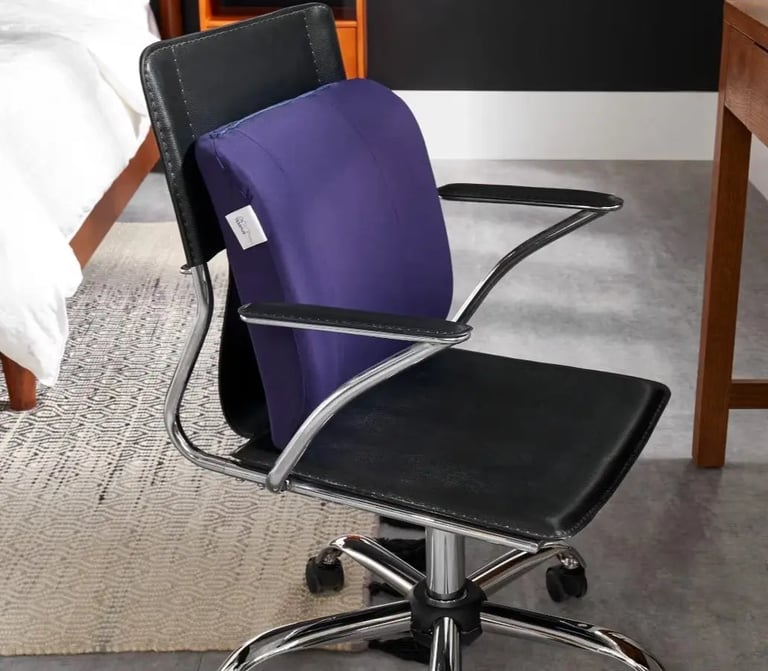
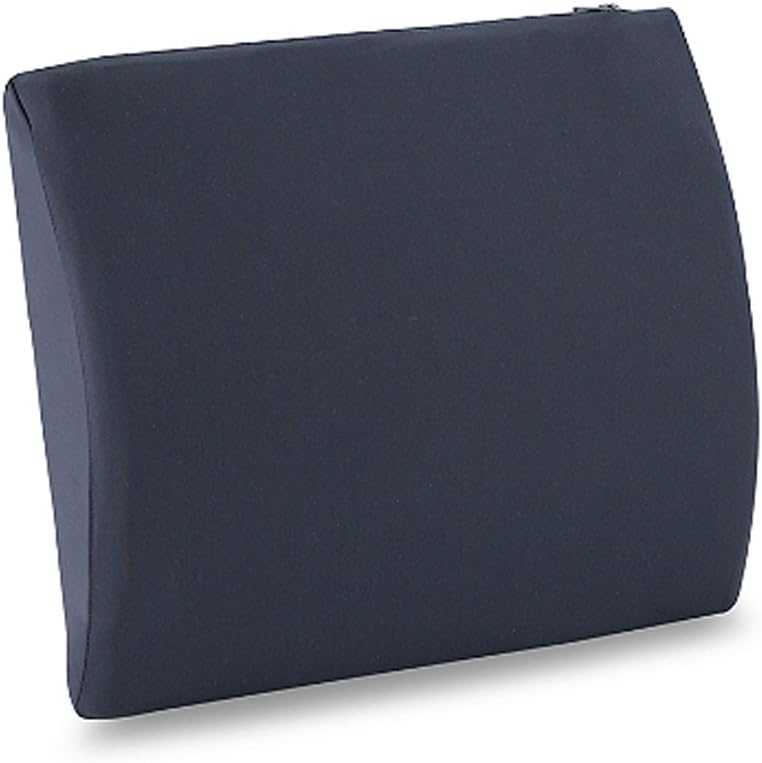
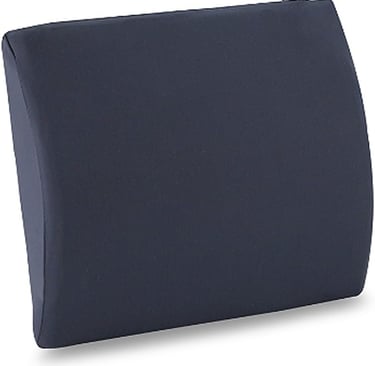
1) A Real Lumbar Support Cushion (Desk + Car Game-Changer)
Brand/Style: Tempur-Pedic LumbarCushion Typical price: about $59–$89 depending on retailer
If your back pain is the kind that ramps up after sitting—commutes, office chair marathons, gaming, long flights—this is the sneaky “fix the environment” product that can change your day fast. A lumbar cushion supports the natural inward curve of your lower spine, helping you sit with less slumping and less muscular bracing. That matters because slumped sitting tends to push your pelvis backward and flatten your low-back curve, which can make your back feel like it’s doing overtime just to hold you up.
The evidence isn’t just vibes. A controlled study on lumbar support pillows found that a lumbar support design improved comfort measures and changed spinal curvature while sitting (even though posture changes were modest and long-term clinical impact needs more study). More recently, a 2025 meta-analysis reported that lumbar support can reduce pain and improve health-related quality of life in certain populations, though results vary depending on job demands and how the support is used.
Why it’s recommended (and why it’s different from a random pillow): the better models have resilient foam that don’t collapse after 20 minutes and a shape that actually fits the lumbar curve. Relax The Back sells multiple clinician-style lumbar cushions designed specifically for seated spinal support, which is a good signal you’re in the right category of product. This is especially helpful for people with “sitting pain,” mild disc irritation patterns, desk-workers, drivers, students, and anyone who notices they feel better standing than sitting. It’s not a cure—but it’s a daily posture assist that helps your back stop fighting gravity.
Source: relaxtheback.com
2) A Sacroiliac (SI) Belt for Pelvic Stability (When Pain Is One-Sided or “I Feel Crooked”)
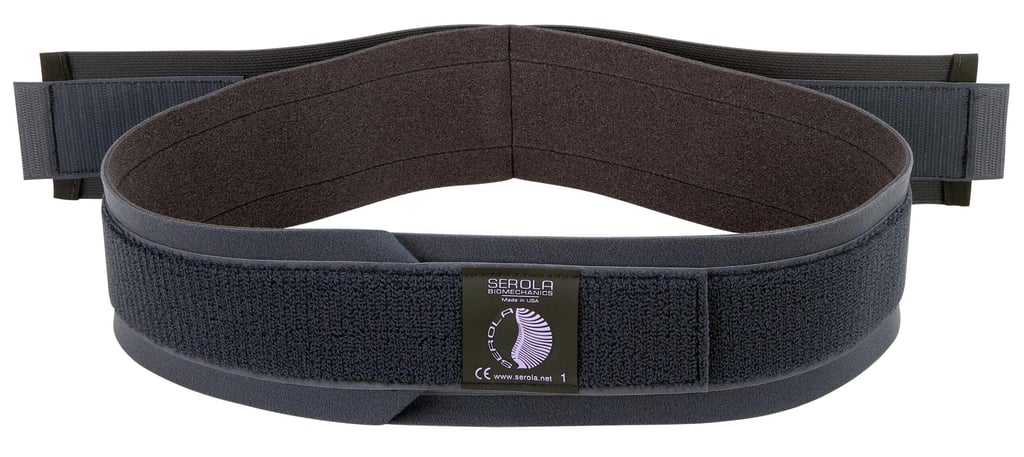
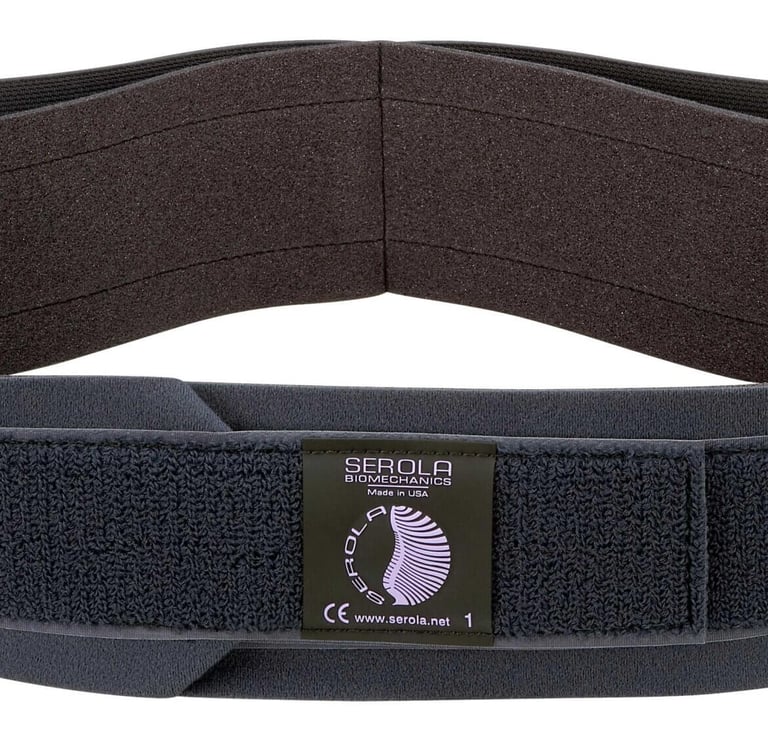
Brand/Style: Serola Sacroiliac Belt (SI belt)
Typical price: about $45–$60
If your low back pain is mostly on one side, feels deep near the “back dimples,” flares with standing on one leg, rolling in bed, stairs, or long walks—your SI joint (where the spine meets the pelvis) may be part of the story. An SI belt is basically an external “helper ligament” that wraps low around the hips (not the waist) to provide compression and stability at the base of the spine. The goal isn’t to squeeze your stomach or “brace your core.” It’s to make the pelvis feel less wobbly so the surrounding muscles can stop gripping like they’re guarding a secret.
There’s legitimate research interest here. A 2022 study specifically investigated the Serola Sacroiliac Belt and describes its use for reducing low back and SI-related pain and functional impact. A 2024 randomized crossover clinical study found that using a sacroiliac belt in people with low back pain significantly improved dynamic balance—an interesting clue that pelvic stability can influence how confidently people move.
Why clinicians recommend it: it can reduce pain enough to let you move more normally while you build long-term strength. Think of it like training wheels—useful during flare-ups, walks, workouts, or high-demand days, especially if you’ve got SI joint dysfunction, postpartum pelvic instability, or “I can’t trust my low back” movement fear. Just keep expectations realistic: the belt helps create stability; it doesn’t replace rehab. Used wisely, it’s one of the most targeted tools you can buy for the pelvis-driven type of low back pain.
Source: serola.net
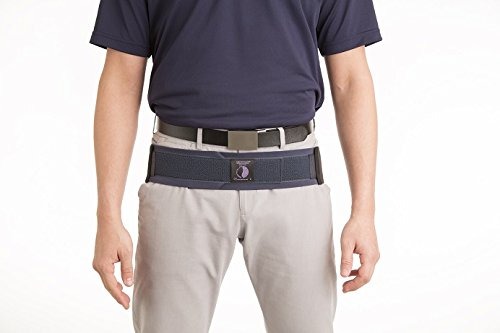
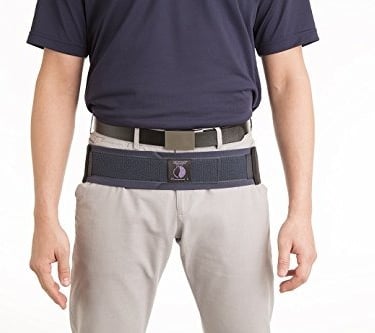
Source: serola.net
3) A Moist Heat Therapy Pad (Fast Relief for Guarding, Spasm, and Stiff Mornings)
Brand/Style: Thermophore MaxHEAT moist heating pad (large)
Typical price: about $50–$62
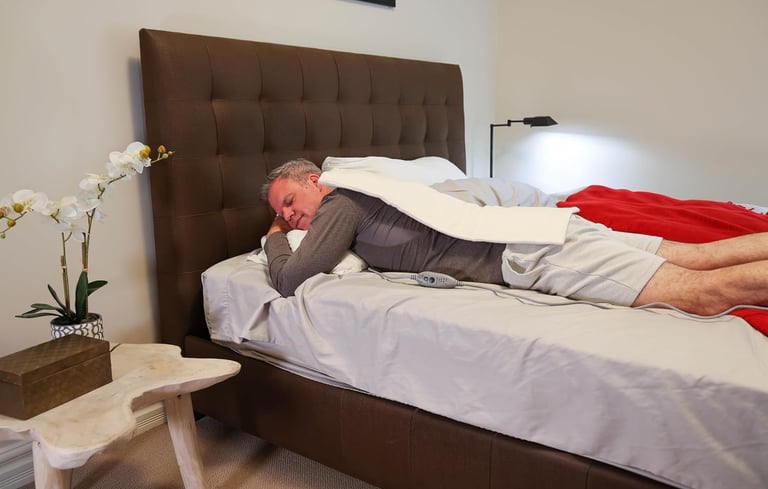
Heat isn’t just “comfort.” Heat changes physiology. It boosts local blood flow, helps muscles relax, and can reduce that protective tightening (muscle guarding) that makes your back feel locked. The key is choosing the right kind: consistent heat with a bit of weight and moisture-style penetration tends to feel more effective for many people than flimsy pads that barely warm up.
The research supports heat as a real tool for non-specific low back pain. A peer-reviewed review on superficial heat therapy reports that continuous, low-level heat can provide pain relief and improve flexibility and muscular strength for people with acute or chronic non-specific low back pain. And consumer testing publications continue to evaluate heating pads for back pain, which helps validate what people experience in real homes (comfort, durability, safety, consistent heat delivery).
Why it’s recommended by clinicians and back-care retailers: it’s one of the lowest-risk ways to “turn down the volume” on a flare so you can move again. Thermophore-style moist heat pads are also commonly sold through medical supply channels that explicitly market them as doctor-recommended, and they’re widely available through major retailers. This product is ideal for people with morning stiffness, muscle spasm patterns, stress-related back tension, or anyone whose back pain feels better after a hot shower. It’s also a great “bridge” tool before gentle mobility or rehab exercises. Heat won’t fix the root cause, but it can make your body cooperative enough to do the things that do.
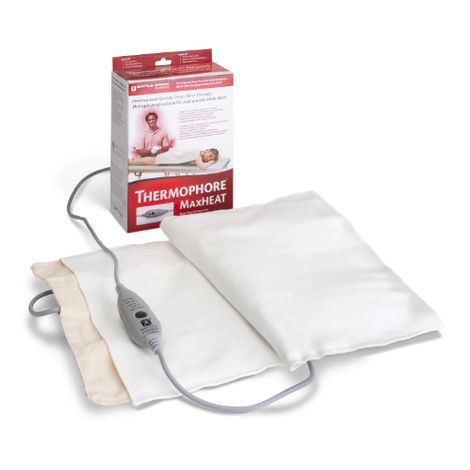
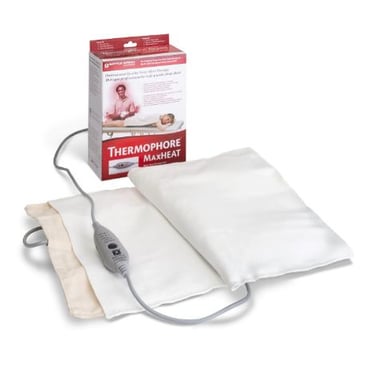
Source: thermophore.com

Source: thermophore.com
4) A TENS Unit (On-Demand “Nervous System Hack” for Some People—With Honest Expectations)
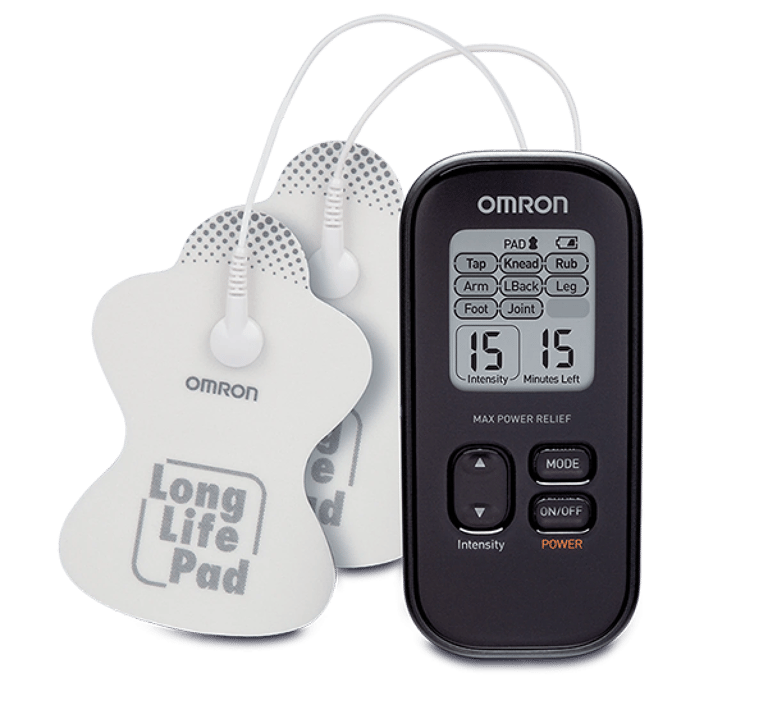
Brand/Style: OMRON Max Power Relief TENS Device (PM500)
Typical price: about $55–$80
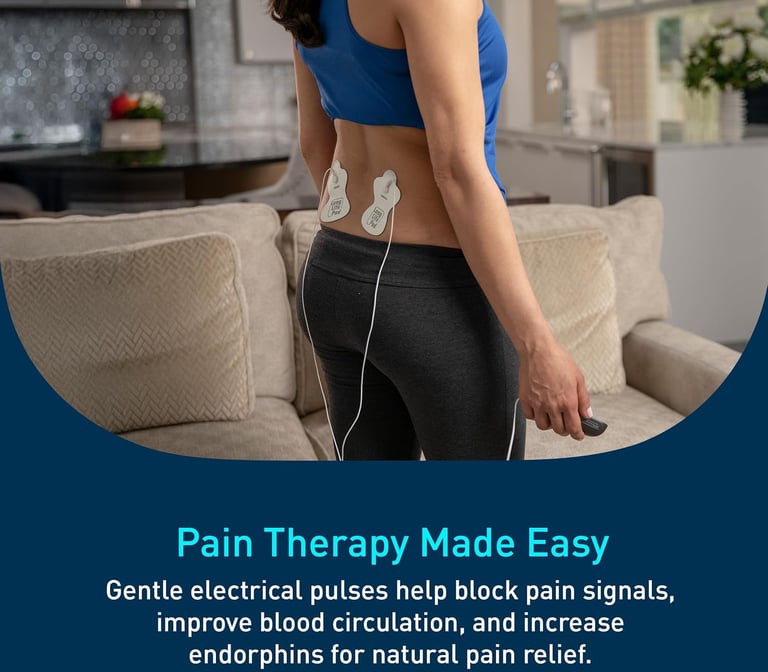
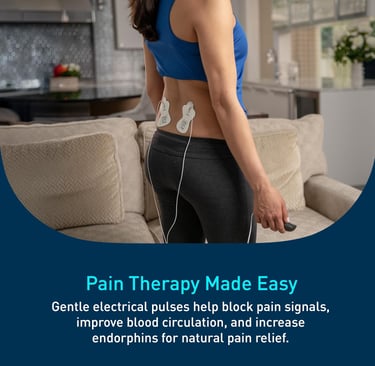
TENS (transcutaneous electrical nerve stimulation) is a small device that uses gentle electrical signals through sticky pads placed on the skin. The goal is to reduce pain signals and help the nervous system “de-prioritize” the pain alarm. Some people get excellent short-term relief. Others feel little. The important thing is to set expectations without killing the vibe: TENS is not a structural fix—it’s a symptom-management tool that can help you move, sleep, or tolerate activity while you work on the bigger picture.
The evidence on TENS for low back pain is mixed, and reputable sources say so. A 2023 systematic review was created to inform a World Health Organization guideline that evaluated both the benefits and the harms of TENS for chronic primary low back pain. Other reviews have concluded that evidence is inconsistent and recommendations vary depending on condition and study design. That said, “mixed evidence” doesn’t mean “useless.” It often means some subgroups benefit, the protocol matters, and more precise trials are needed—exactly what clinicians see in practice.
Why it still makes this list: it’s non-drug, portable, and highly reviewed in consumer channels, and many pain management and therapy practices still use electrical stimulation as part of a broader plan. OMRON is a recognizable medical device brand with a widely sold unit marketed for muscle and joint pain including lower back pain. Best fit: people who want a tool for flare-days, desk work, travel, or post-workout discomfort—especially when pain feels “nervy,” persistent, or sensitive. If you expect it to “heal your back,” you’ll be disappointed. If you expect it to help you function while you build strength and confidence, it can be a surprisingly useful ally.
Source: omronhealthcare.com
Source: omronhealthcare.com
5) A High-Quality Foam Roller (Because Your “Back Pain” Might Be Hip + Glute + Fascia Drama)
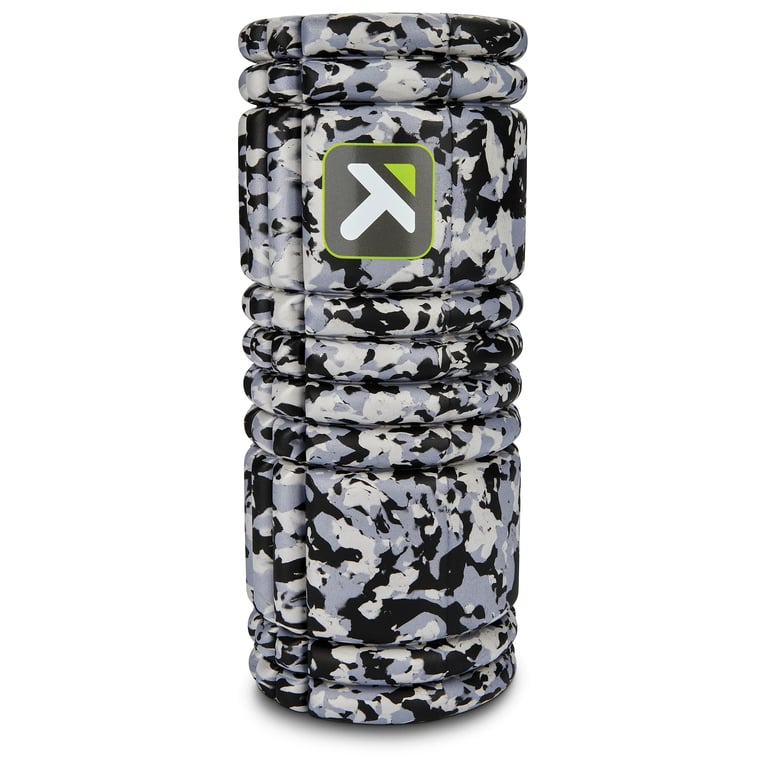
Brand/Style: TriggerPoint GRID 1.0 foam roller
Typical price: about $30–$40
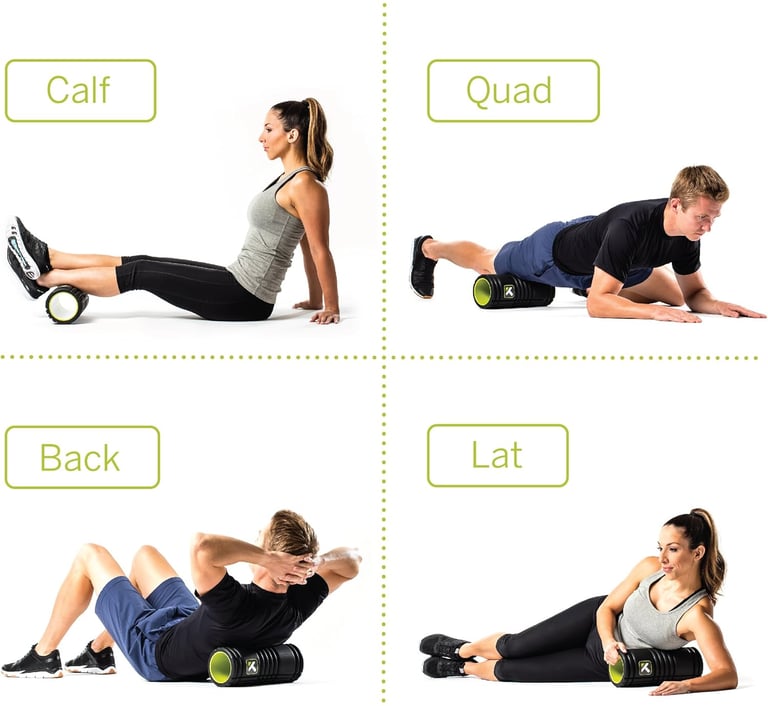
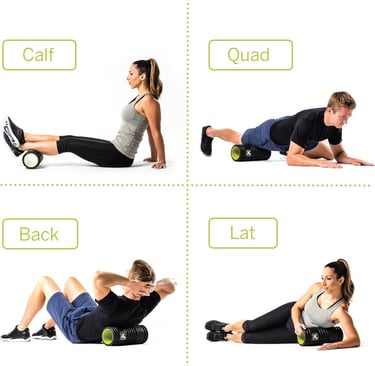
A foam roller is the product version of “your back is yelling, but your hips started it.” Many people feel low back pain because surrounding tissues—glutes, hip flexors, hamstrings, and the connective tissue around them—get stiff and overprotective. Foam rolling is a form of self-myofascial release (self-massage) that can reduce perceived tightness and improve movement tolerance. The trick: you usually don’t need to mash your spine directly like you’re tenderizing meat. You get better results targeting the glutes, outer hips, and upper hamstrings—the support crew for your low back.
The research base for foam rolling is growing. A 2024 study in Frontiers in Physiology found foam rolling improved lumbar spine mobility and increased pressure pain threshold (a measure related to sensitivity) in healthy subjects, including improvements after both single sessions and over several weeks. Another peer-reviewed paper in Sports (MDPI) reported that self-myofascial release of the lower back improved lumbar flexibility and related measures. While these studies don’t mean “foam rolling cures low back pain,” they do support what many physical therapists teach: improving mobility and reducing sensitivity can make movement feel safer and less guarded.
Why the TriggerPoint GRID style is a favorite: it’s durable, widely sold, and firm enough to be effective without collapsing. It’s a great match for people with sedentary stiffness, athletes, and anyone whose back pain improves after warm-ups or movement. Used correctly (slow, controlled, never sharp pain), it’s one of the most cost-effective “body maintenance” tools you can own.
Source: tptherapy.com
Source: tptherapy.com
There’s No Single-Item Fix—But the Right Tools Can Make Healing Easier
Back pain rarely has a magic product that solves everything forever. The real “fix” is usually a blend of strength, mobility, stress regulation, sleep, and consistency. But these five products can absolutely help by reducing pain signals, improving posture input, restoring movement confidence, and making your daily life less of a wrestling match with your spine. Start with the tool that best matches your pattern—sitting pain tends to love lumbar support, pelvis/SI pain often benefits from an SI belt, flare-ups respond well to heat, sensitive nervous systems may like TENS, and stiffness-heavy bodies usually thrive with foam rolling.
Want help figuring out which one fits your back pain (and how to use it without making things worse)? Join the Bounce Back community—share your symptoms, ask for setup tips, and learn what’s actually worked for real people dealing with the same low back issues.