As an Amazon Associate I earn from qualifying purchases.

The 7 Most Common Types of Low Back Pain (And What You Can Do About Them)
A plain-language guide to the seven most common types of low back pain including the dos and don'ts of how to manage symptoms daily and prevention methods to avoid long-term issues
1/22/20257 min read
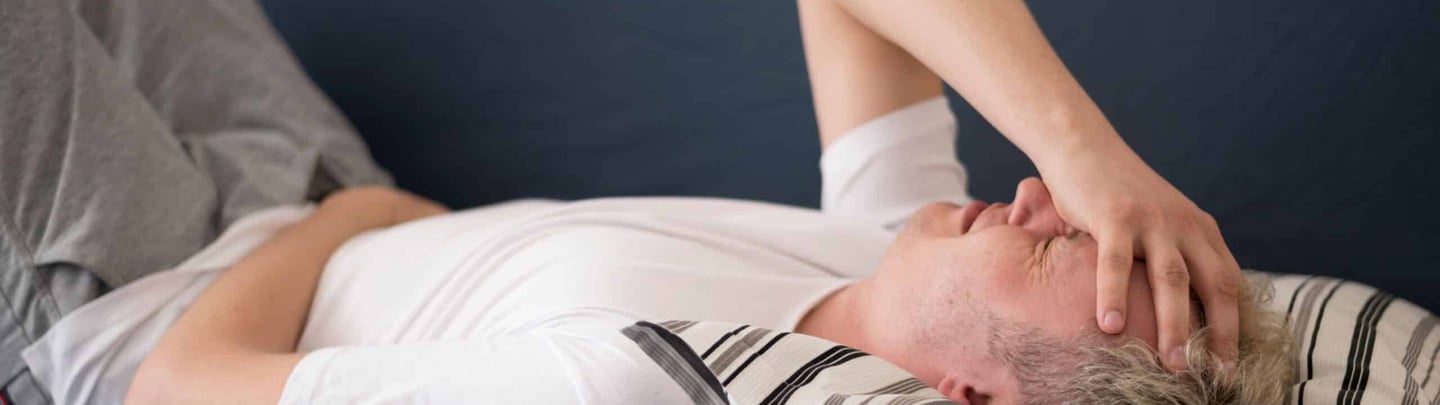
Decode Your Back Pain
Low back pain is everywhere—yet it’s rarely talked about in a way that helps you figure out what’s actually happening. “My back hurts” can mean a strained muscle, an irritated joint, a disc problem, or pressure on a nerve—and the best next step depends on which one you’re dealing with. In this guide, you’ll learn the seven most common types of low back pain, the basic anatomy behind each (in plain language), the symptoms that tend to show up, the long-term effects if it lingers, and the treatments that are commonly recommended.
To keep this trustworthy, I’m drawing from clinician-reviewed resources and evidence-based guidelines from organizations and hospitals known for rigorous standards—Mayo Clinic, Cleveland Clinic, Johns Hopkins Medicine, Stanford Medicine, and the American Academy of Orthopaedic Surgeons (AAOS)—plus specialty orthopedic guidance from the Hospital for Special Surgery (HSS) and practice guidelines from the North American Spine Society (NASS). These sources are widely trusted because they’re written or reviewed by practicing clinicians, reflect current research and clinical outcomes, and are updated as evidence changes.
There's no one size fits all remedy for back pain. The same “stretch” that feels amazing for one type of back pain can inflame another—and the clues are often in where the pain travels, when it worsens, and what positions bring relief. Let’s decode yours.
Muscle Strain or Ligament Sprain
A muscle strain (or ligament sprain) is the classic “I tweaked my back” problem: the soft tissues that stabilize your spine get overstretched, often from lifting, a sudden twist, a traumatic event like a car accident, or doing too much too soon after an injury. Think of it like tiny fibers getting irritated—painful, but usually very recoverable. Stanford’s low back pain guidance includes common self-care strategies like using heat/ice and emphasizing noninvasive approaches first.
Symptoms usually feel localized: a sore, tight, or achy area in the low back that flares with certain movements (like bending or rolling over in bed). You might also feel muscle spasms—a protective “clench” that can make you feel stuck. Long term, repeated strains can teach your body to guard movement; you move less, stiffen more, and the cycle can keep returning.
Treatment tends to work best when it’s active, not passive. Mayo Clinic notes that prolonged bed rest isn’t recommended and encourages continuing light activity like walking as tolerated. Do keep moving gently (short walks, easy daily activity) and consider cold early followed by heat if it feels soothing; Don’t stay in bed for days, and don’t jump back to heavy lifting the moment you feel “mostly better.” Mayo also highlights that inactivity can prolong or worsen some back pain patterns.
Herniated Disc
Between your spinal bones (vertebrae) are discs—shock absorbers with a tougher outer ring and a softer center. A herniated disc happens when the inner material pushes outward and can irritate nearby nerves. Cleveland Clinic notes that most herniated discs improve with nonsurgical care—often summarized as “9 out of 10 get better without surgery.”
Symptoms often include back pain plus nerve symptoms: pain that shoots into the buttock or leg, tingling, numbness, or a “hot wire” sensation—especially if a nerve root is being irritated. In the long run, the big concern isn’t just pain; it’s persistent nerve irritation leading to weakness or reduced confidence in movement.
Treatment usually starts conservative: activity modification, targeted physical therapy, and symptom control. Evidence-based guidance from the North American Spine Society (NASS) is built around research comparing conservative care and surgery for lumbar disc herniation with radiculopathy (nerve symptoms). Do tell your doctor if symptoms travel below the knee or come with numbness—those are signals of nerve irritation—and focus on spine-neutral strengthening and guided rehab; Don’t push deep forward-bending or aggressive twisting “to loosen it” if it triggers leg pain, and don’t ignore worsening numbness or weakness. Cleveland Clinic’s guidance also reinforces that surgery is usually reserved for cases that don’t improve or have more serious features.
Sciatica
Sciatica is a pattern of symptoms, not a single diagnosis. It means the sciatic nerve (or the nerve roots that feed it) is irritated, creating pain that can travel from the low back or buttock down the leg. Johns Hopkins describes sciatica treatment as often improving with time and includes staying in motion as part of relief strategies. Mayo Clinic similarly notes that while brief rest may help, staying inactive can make sciatica worse.
Sciatica pain often feels sharp, burning, or electric, and sitting can aggravate it. Over time, ongoing nerve irritation can reduce walking tolerance and lead to compensations (limping, leaning, avoiding bending) that strain other areas.
Treatment typically emphasizes smart movement, inflammation control when appropriate, and gradually rebuilding capacity. Do break up long sitting spells and experiment with positions that reduce symptoms (many people feel better standing or walking briefly in intervals); Don’t stretch aggressively into nerve pain thinking “more stretch = more relief,” and don’t ignore persistent symptoms that are worsening rather than trending better. Johns Hopkins notes options like NSAIDs, heat/cold, and keeping the body in motion can be used to minimize inflammation.
Degenerative Disc Disease
Despite the alarming name, “degenerative disc disease” often describes age-related disc changes—discs lose hydration and height over time, which can seriously affect load on the spine. Cleveland Clinic explains treatment commonly includes physical therapy with strengthening and stretching, along with medications or injections in some cases.
This kind of pain often presents as stiffness (especially in the morning) and flare-ups that come and go. Many people notice symptoms improve once they’re moving, because gentle motion lubricates joints and warms soft tissue. Long term, the main risk is decreased tolerance for certain activities and fear-driven avoidance that makes the back less resilient.
Treatment is usually about restoring confidence and capacity: building supportive strength around the spine (hips, glutes, core) and keeping daily movement consistent. Do prioritize progressive strengthening and regular movement breaks throughout the day; Don’t avoid activity completely out of fear, and don’t rely only on pain medication without addressing conditioning. Cleveland Clinic’s guidance supports PT and other non-surgical tools as core approaches.
Facet Joint Irritation
Facet joints are the small joints at the back of your spine that guide motion (especially bending backward and twisting). When they’re irritated or arthritic, you can get “axial” low back pain—pain that stays mostly in the back rather than shooting down the leg. HSS describes one cause of facet joint irritation as facet arthropathy (facet joint arthritis) and notes treatment options such as physical therapy to build supporting muscles, medications, and interventional options like injections or ablation in selected cases.
Symptoms often worsen with arching (extension) or rotation, and can feel sharp on one side or centrally achy. Long term, facet irritation can trigger muscle guarding and reduced rotation, which may then overload hips.
Treatment usually focuses on movement retraining and strengthening, plus targeted procedures when appropriate. Do use controlled, pain-free range movements and strengthen the muscles that stabilize your spine and hips; Don’t repeatedly push deep backbends or force twisting through sharp pain, and don’t assume all “back pain injections” are the same—proper diagnosis matters. HSS specifically discusses PT and interventional options as part of a stepwise approach.
SI Joint Pain
The sacroiliac (SI) joints connect your sacrum (base of spine) to your pelvis. If those joints are irritated (sometimes labeled sacroiliitis when inflammation is present), pain can show up as one-sided low back pain, buttock pain, or pain above your glutes. Mayo Clinic notes sacroiliitis can cause buttock or low back pain and may radiate down one or both legs, and that prolonged sitting/standing or stairs can worsen it. Cleveland Clinic notes physical therapy is a common treatment for sacroiliitis.
Long term, SI issues can shift how you walk and load your hips, potentially creating a chain reaction of tightness or strain elsewhere. Treatment often centers on stabilization—teaching the pelvis to feel stable and supported again—plus addressing asymmetries in strength and mobility. Do emphasize pelvic and hip stability work with a PT-informed plan and be mindful of one-sided loading patterns (standing on one hip, always carrying a child on the same side); Don’t aggressively stretch the pelvis if it increases symptoms, and don’t ignore consistent one-sided pain that returns with the same triggers. Mayo notes stretching/strengthening and NSAIDs are often first-line approaches.
Lumbar Spinal Stenosis
Lumbar spinal stenosis is the narrowing of spaces in the lower spine that can crowd nerves. A hallmark clue is that symptoms often worsen with standing or walking upright and improve with sitting or leaning forward. AAOS explains that many people with stenosis feel better when they lean forward or sit down and worse standing up straight. Johns Hopkins also notes people may need to lean forward to ease pressure and may have trouble walking long distances.
Symptoms can include back pain plus heaviness, numbness, or fatigue in the legs during walking (“shopping cart sign”—feeling better leaning on a cart). Long term, walking tolerance may shrink if the condition isn’t managed, and fear of movement can accelerate deconditioning.
Treatment often starts with non-surgical therapy—strengthening, posture strategies, and activity modification—while surgery is considered for more severe or persistent disability. Do choose movement that naturally puts you in slight flexion (like cycling or walking on a mild incline if tolerated) and build leg/core strength to support endurance; Don’t force long, upright walks through escalating leg symptoms, and don’t stop moving entirely—strategic activity is usually part of the solution. Mayo Clinic notes steroid injections aren’t always the best choice and highlights that evidence can be mixed, reinforcing the value of a thoughtful treatment plan.
A quick safety note (worth reading)
If you have new bowel/bladder control problems, numbness in the groin/saddle area, rapidly worsening weakness, fever with back pain, or unexplained weight loss, treat that as urgent and seek medical evaluation promptly.
Come talk it through with people who get it
Back pain is hard enough without guessing alone. If you want help making sense of your symptoms, learning what’s worked for others, and sharing wins (and setbacks) without judgment, join the Bounce Back community. Ask a question and receive exercises and product reviews—your next “aha” might come from one conversation.