As an Amazon Associate I earn from qualifying purchases.

When Your Back Hurts, Your Mind Feels It Too: The Hidden Psychological Effects of Back Pain
An evidence-based, easy-to-read look at how short- and long-term back pain affects mood, stress, sleep, and identity—and practical, research-backed ways to reduce its psychological toll.
1/27/20269 min read
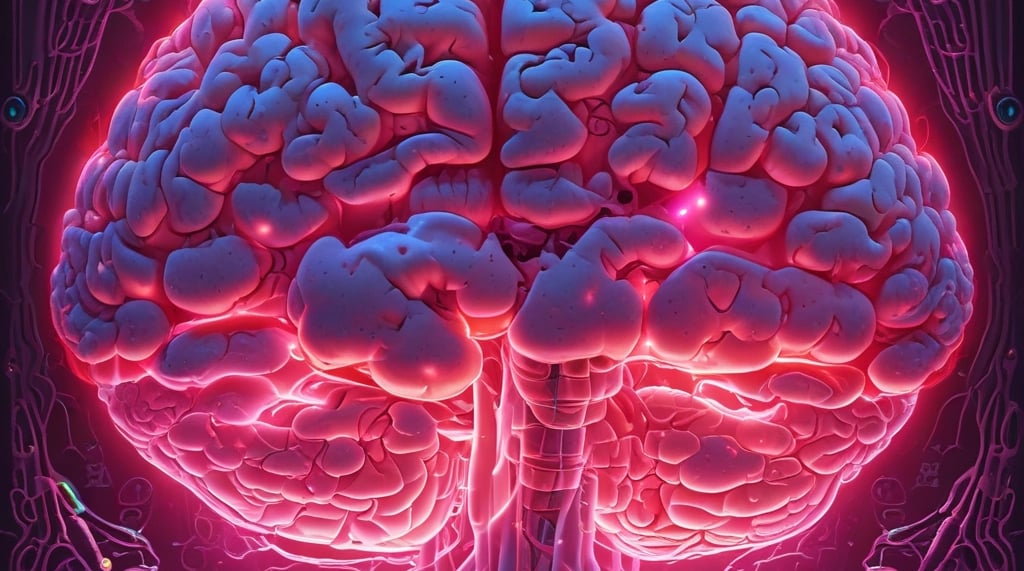
When Your Back Hurts, Your Brain Pays Attention
The Psychological Side of Back Pain (and What Helps)
If you’ve ever thought, “It’s just my back… so why do I feel so anxious, irritable, or depressed?”—you’re not imagining it. Back pain doesn’t only live in your muscles, joints, or discs. It shows up in your mood, your sleep, your relationships, your confidence, and even your sense of who you are. There’s a reason for that: pain is not purely physical. The International Association for the Study of Pain defines pain as “an unpleasant sensory and emotional experience.” That single phrase explains a lot of what people feel but don’t have words for.
Let’s consider how you might change the way you see your back pain. Consider this: two people have similar findings on an MRI, yet one rebounds and the other gets stuck. The difference often isn’t “toughness.” It’s the invisible psychology of pain: fear, beliefs, stress, sleep, and how the nervous system learns to protect you. Keep reading and you’ll learn the most common psychological effects of short-term and long-term back pain, plus simple, evidence-based tips that help you feel more in control.
“Back pain doesn’t only live in your muscles, joints, or discs. It shows up in your mood, your sleep, your relationships, your confidence, and even your sense of who you are.”


Why back pain messes with your mood (even when you’re “handling it”)
Pain is a threat signal, and your brain treats it like an alarm. In the short term, that alarm can be useful: it helps you rest, protect an injury, and heal. But when pain lingers, your system can start acting like a smoke detector that’s become too sensitive—blaring even when the toast is only slightly warm.
Researchers consistently describe a bidirectional relationship between chronic pain and sleep problems—meaning each one can worsen the other. A 2024 review notes that sleep and chronic pain feed each other, and that sleep impairment may predict pain more strongly than the reverse. That matters psychologically because poor sleep amplifies irritability, anxiety, low mood, and the feeling that you “can’t cope.”
And it’s not rare. A large 2025 study in JAMA Network Open reported that the prevalences of depression and anxiety among adults with chronic pain are approximately 40%. When your back pain lasts weeks to months, your brain is not “being dramatic”—it’s adapting to a persistent stressor.


Trouble sleeping? Find the best mattress for a good night's sleep.
Short-term back pain: the “disruption” phase (stress, worry, and a shrinking world)
In early or acute back pain, the psychological hit often comes from disruption. Plans get canceled. Work changes. Exercise feels uncertain. You start scanning your body more (“Is it better? Worse?”), and that constant monitoring can keep your nervous system on high alert.
It’s also common to start worrying about what the pain means. “Did I slip a disc?” “Is this permanent?” “Am I going to be like this forever?” Those thoughts can trigger stress hormones and muscle tension—both of which can make pain feel sharper.
Clinicians and guidelines increasingly emphasize that for many cases of non-specific low back pain, conservative and non-drug approaches are a good starting point. The American College of Physicians (ACP) guideline highlights initial non-drug options and includes approaches like exercise, mindfulness-based stress reduction, and cognitive behavioral therapy (CBT) for chronic cases. The takeaway is simple: your pain management plan should address both body and brain—early.
Long-term back pain: the “identity + nervous system” phase
When back pain becomes chronic (often defined as lasting longer than ~12 weeks), the psychological burden can deepen. Many people describe feeling like they’re not the same person: less spontaneous, less social, more cautious. This is where emotions like grief and frustration make sense: you’re adjusting to loss of ease, not just managing symptoms.
Long-term pain can also change how your nervous system processes threat. You may become more sensitive to sensations and more reactive to stress. Some people feel “wired but tired”—a classic sign that the stress response is stuck in the on position.
Research also highlights how mental health can influence pain outcomes. A 2019 study in Pain Medicine notes that psychological health influences response to pain treatments, reinforcing that anxiety and depression aren’t side issues—they’re part of the clinical picture.


Learn simple exercises for back pain relief.
If your brain learns “movement = danger,” it may protect you by limiting movement—through stiffness, muscle guarding, and pain.


The fear-avoidance trap: how pain can teach you to fear movement
One of the most important psychological patterns in back pain is fear of pain. The fear-avoidance model (a major framework in pain psychology) describes how people can respond to pain with either gradual re-engagement (“confrontation”) or avoidance. In the classic paper by Vlaeyen & Linton (2000), avoidance is described as a path that can maintain or worsen fear over time.
In plain language: if your brain learns “movement = danger,” it may protect you by limiting movement—through stiffness, muscle guarding, and pain. But less movement can lead to deconditioning, more sensitivity, and more fear. That’s not weakness; it’s learned protection.
A clue you’re in this cycle: you avoid activities not because they harm you, but because they’re scary, unpredictable, or you fear a flare. This is where the right kind of plan—often called graded exposure or graded activity—can be a game changer (more on that in the tips section).
Catastrophizing: when the mind tries to keep you safe by imagining the worst
“Catastrophizing” is a psychology term that basically means your brain is running worst-case scenarios on repeat. It’s not a character flaw; it’s an overprotective strategy. The problem is that it can intensify pain and disability.
A 2020 review on predictors of disability in chronic low back pain notes that catastrophizing has been reported to predict pain intensity, disability, and psychological distress. When your brain keeps shouting “this is serious,” your nervous system stays braced—and braced systems tend to hurt more.
A simple way to spot catastrophizing: your thoughts sound absolute and permanent—“I’ll never get better,” “My back is ruined,” “If I bend, I’ll damage something.” Those thoughts can feel true in the moment, but they aren’t always accurate or helpful.


Try breathwork. Breathing exercises reduce stress.
Sleep: the psychological amplifier nobody budgets for
Sleep loss doesn’t just make you tired; it changes how you experience pain. Research studies have shown that reduced sleep can increase pain sensitivity. A 2023 study found that loss of sleep can further increase pain sensitivity following acute soft tissue injury, suggesting a potential causative role of sleep loss in complex pain states.
This matters psychologically because poor sleep makes everything feel heavier—pain, worry, irritability, hopelessness. It also makes it harder to stick with helpful habits like walking, therapy exercises, or social connection.
If you’ve been thinking, “I’ll focus on sleep once the pain is gone,” the evidence points to the opposite: sleep can be one of the levers that helps the pain improve.
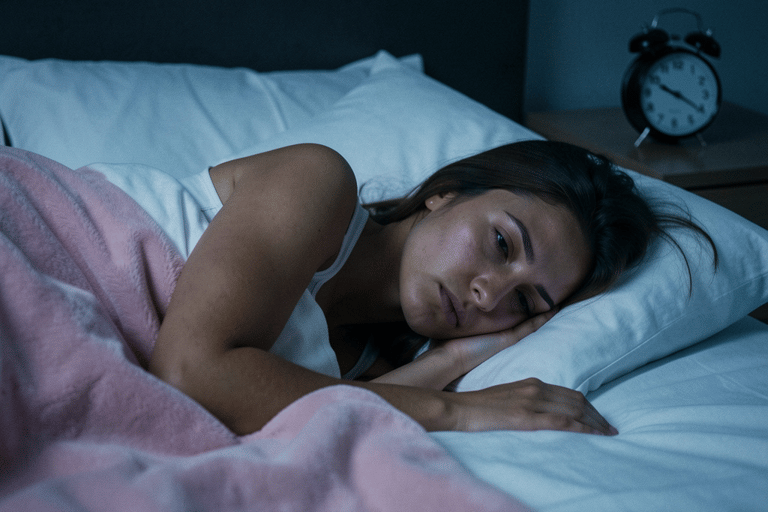
Check out these 5 tips for a good night sleep.
Social and emotional ripple effects: isolation, irritability, and relationship strain
Back pain has a social cost. People cancel plans with friends, stop exercising, or avoid travel because “what if it flares?” Over time, that can turn into isolation. Isolation can then worsen mood, and low mood can amplify pain perception. It’s a loop.
Many people also become more irritable—not because they’re mean, but because living with pain drains your mental bandwidth. If you’re constantly managing discomfort, you have less patience for everything else.
This is one reason modern guidelines emphasize holistic care. The World Health Organization’s 2023 guidance on chronic primary low back pain explicitly states care should be tailored to address the mix of factors—physical, psychological, and social—that influence pain experience.


Pain can be isolating. Join the Bounce Back community.
Simple, evidence-based tips to reduce the psychological toll (and support recovery)
These are not “positive vibes” tips. They’re strategies supported by clinical guidelines and research, translated into regular-person language.
1) Name the loop you’re in (pain → stress → tension → more pain)
Start by labeling what’s happening: “My pain is spiking, so my stress rises, so my body tightens.” This alone can lower the sense of mystery and threat—two things that fuel anxiety.
Pain education can help here. Research on Pain Neuroscience Education (PNE) suggests pain education can reduce pain and disability, especially when combined with physiotherapy or exercise. The goal isn’t to “think your pain away,” but to understand why a sensitive nervous system can keep sounding alarms.
2) Use graded exposure: re-teach your brain that movement is safe
If fear is driving avoidance, the antidote isn’t forcing yourself through pain—it’s graduated confidence. Pick one avoided activity (like walking, sitting, or bending) and reintroduce it in small, predictable steps. Consistency matters more than intensity.
This approach fits the fear-avoidance model’s core idea: avoidance maintains fear; safe confrontation helps fear reduce over time.
3) Try a CBT-style “thought check” (60 seconds)
CBT doesn’t require a therapist to start benefiting. When your brain serves a scary thought, try this:
What’s the thought? (“If I do that, my back will hurt and I’ll be out for weeks.”)
What’s the evidence for/against?
What’s a more balanced thought? (“I can do that activity with a plan, start lighter, and stop if it escalates.”)
ACP’s guideline lists CBT among recommended non-drug options for chronic low back pain.
4) Mindfulness for pain: not “ignore it,” but “reduce the fight”
Mindfulness-based stress reduction (MBSR) is one of the better-studied approaches for chronic low back pain. In a randomized trial published in JAMA, MBSR and CBT both led to greater improvement in back pain and function than usual care at 26 weeks.
A simple starting practice: 2 minutes of slow breathing while you notice sensations without labeling them as “danger.” The skill you’re building is nervous-system de-escalation.
5) Sleep like it’s treatment (because it is)
If sleep is rough, focus on small wins:
Keep a consistent wake time (even after a bad night).
Use a wind-down routine (dim lights, lower stimulation).
Don’t let the bed become a “pain battleground”—if you’re awake and frustrated, reset with a calm activity, then return.
Understanding the sleep–pain link can seriously impact your back pain relief. Remember, chronic low back pain is associated with greater sleep disturbance and reduced sleep quality, which creates more low back pain and keep the cycle going.
6) Treat loneliness like a symptom, not a personality trait
Connection is pain medicine. Not because it “fixes” your spine, but because it buffers stress and reduces isolation-driven rumination. Even one weekly low-stakes plan (short walk, coffee, a message board check-in) can help.
WHO’s guidance emphasizes person-centered care and the social factors that influence chronic low back pain—this is your permission slip to take social health seriously.
7) Get screened if mood symptoms are sticking around
If you’ve had low mood, panic, or hopelessness for weeks, that’s not something to “power through.” The JAMA Network Open study showing ~40% prevalence of depression/anxiety in chronic pain is a reminder that this is common—and treatable. A primary care clinician, psychologist, or pain clinic can help coordinate support.
Your back pain isn’t “all in your head”—but your head is absolutely involved
Back pain is a full-body, full-life experience. It affects your sleep, stress response, confidence, and social world—because pain is inherently sensory and emotional. The solution isn’t to choose between “physical” and “psychological” care. The evidence—from ACP guidelines to WHO recommendations and major clinical trials—points to a combined approach: movement, education, sleep support, and evidence-based psychological tools like CBT and mindfulness.
If you want support applying this to your real life—your triggers, your flare patterns, your “I’m scared to do X” moments—come join the Bounce Back community. Ask a question, share a win, vent on a hard day, and borrow the hope of people who’ve been where you are.